
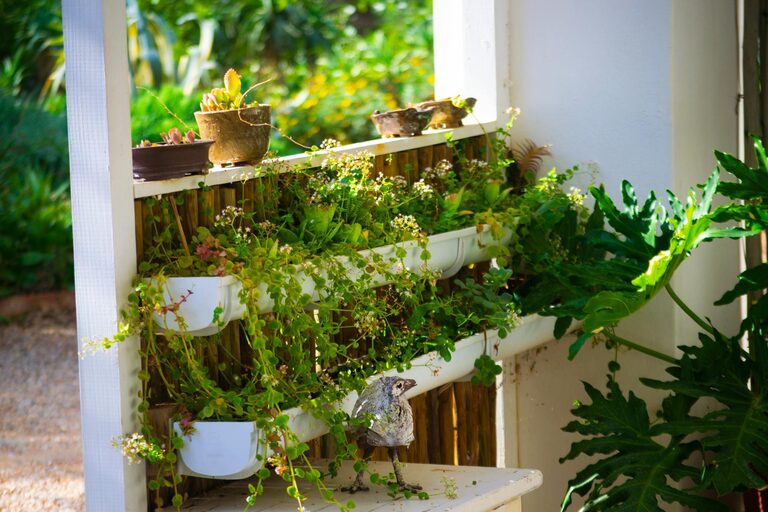

Creating a sustainable home garden is a rewarding way to enjoy fresh produce, support biodiversity, and reduce your carbon footprint. By adopting mindful gardening techniques, you can nurture your garden throughout the year, regardless of the seasons. This guide offers practical tips to help you establish and maintain an eco-friendly garden at home, making the most of your space and resources.
Understanding Sustainable Gardening
Sustainable gardening focuses on creating a balanced ecosystem where plants, soil, and wildlife coexist naturally. It involves practices that conserve water, reduce waste, improve soil health, and decrease reliance on chemical inputs. A sustainable home garden not only provides fresh fruits, vegetables, and flowers but also supports local wildlife such as bees, birds, and beneficial insects.
Planning Your Garden for Year-Round Growth
Choose the Right Plants
Selecting plants suited to your climate and season is key to success. Start with native species and those that are hardy in your region; native plants often require less water and are more resistant to pests.
– Seasonal vegetables: Grow cool-season crops like kale, spinach, and carrots in autumn and winter; warm-season crops such as tomatoes and peppers thrive in spring and summer.
– Perennials and herbs: Plants like rhubarb, rosemary, and thyme come back year after year and provide continuous harvests.
– Companion planting: Pair plants that benefit each other to improve growth and reduce pests naturally—like planting marigolds alongside tomatoes to deter aphids.
Rotate Crops
Rotate crops each season to prevent soil depletion and reduce pest problems. For example, follow nitrogen-hungry plants like beans with root vegetables that require different nutrients.
Improving Soil Health Naturally
Healthy soil is the foundation of a sustainable garden. Here are some essential steps:
Add Organic Matter
Incorporate well-rotted compost or leaf mould to boost soil fertility and structure. Organic matter improves water retention and supports beneficial microorganisms.
Mulch Your Beds
Apply a layer of organic mulch such as straw, wood chips, or grass clippings around plants. Mulching conserves moisture, suppresses weeds, and gradually enriches the soil as it breaks down.
Avoid Chemicals
Steer clear of synthetic fertilisers and pesticides. Instead, use natural alternatives like neem oil for pests and seaweed extracts as a plant tonic.
Water Wisely
Water conservation is a critical aspect of sustainable gardening.
– Use rainwater harvesting systems, such as water butts, to collect runoff.
– Water plants early in the morning or late in the evening to reduce evaporation.
– Employ drip irrigation or soaker hoses to target water at the roots, minimising waste.
– Group plants with similar water needs together to optimise watering efforts.
Encourage Biodiversity
A garden rich in biodiversity is more resilient and self-sustaining.
– Plant a variety of flowers and shrubs to attract pollinators such as bees and butterflies.
– Create habitats by leaving areas of wild grass or logs for insects and small animals.
– Avoid cleaning up every leaf in autumn; leaves provide shelter and nutrients as they decompose.
Extend the Growing Season
Maximise your garden’s productivity by using techniques to grow plants beyond their usual seasons.
Use Cloche and Cold Frames
These simple structures protect plants from frost and create a warmer microclimate.
Grow Undercover
Utilise greenhouses or polytunnels to cultivate tender plants and start seedlings earlier.
Plant in Succession
Stagger planting dates so that crops mature at different times, ensuring a continuous harvest.
Composting: Recycling Nutrients at Home
Composting kitchen scraps, garden waste, and shredded paper helps reduce landfill waste and produces valuable fertiliser.
– Create a compost bin or heap in a shady spot.
– Turn the compost regularly to aerate and speed up decomposition.
– Use finished compost to enrich your soil naturally.
Seasonal Maintenance Tips
Keeping your garden in good shape throughout the year ensures sustainability.
– Spring: Plan your planting, prepare beds, and start seeds indoors.
– Summer: Mulch, water efficiently, and monitor for pests.
– Autumn: Harvest crops, clear spent plants, and add compost.
– Winter: Protect plants, plan next season, and tidy up without over-clearing.
Final Thoughts
Sustaining a home garden year-round takes thoughtful planning and an understanding of natural cycles. By prioritising ecological balance, water conservation, and soil health, your garden can flourish sustainably and become a haven for you and local wildlife. Start small, learn as you grow, and enjoy the satisfaction of nurturing your own living ecosystem.
Happy gardening!