
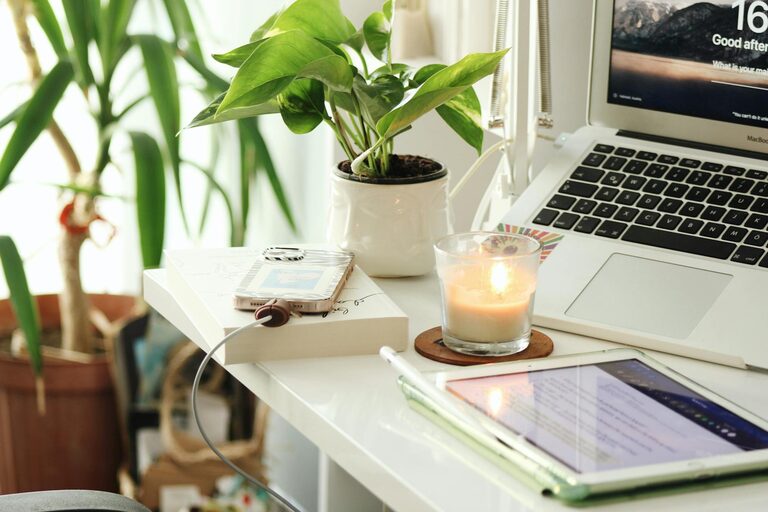

Setting up a productive home office environment is essential for anyone working remotely or seeking better focus when working from home. A well-organised and comfortable space can significantly improve motivation, creativity, and efficiency. Whether you have a dedicated room or a small corner of your home, these tips will help you create an environment where you can thrive professionally.
1. Choose the Right Location
The foundation of an effective home office begins with selecting the right spot. Ideally, this should be a quiet area with minimal distractions from household activities or noisy neighbours. If possible, pick a room with a door to help signal when you are working and maintain boundaries.
Consider natural light when choosing your space. A bright area with windows can help reduce eye strain and uplift your mood. If natural light is limited, invest in good quality lighting that mimics daylight.
2. Invest in Comfortable Furniture
Ergonomics matters greatly when designing your home office. A comfortable chair that supports your back, combined with a desk at the right height, will help you avoid discomfort and physical strain during long hours at your desk.
Look for chairs with adjustable features and enough cushioning. If space allows, consider a sit-stand desk, which enables you to alternate between sitting and standing, promoting better posture and circulation.
3. Organise Your Workspace Efficiently
An organised desk reduces distractions and keeps you focused. Keep only the essentials on your desk, such as your computer, notebook, and a pen holder. Use organisers, trays, or shelves to store documents and other items neatly.
Cable management can also make a noticeable difference. Tidy cables not only look better but prevent accidental disconnection or damage. Clips, ties, or cable sleeves are affordable tools you can use to keep your wires in check.
4. Minimise Distractions
Distractions can decrease productivity quickly. To reduce interruptions, communicate your working schedule to family members or housemates. Use noise-cancelling headphones to block external sounds, or play soft background music if it helps you focus.
Limit the use of phone or social media while working by turning off notifications or using apps that restrict screen time.
5. Personalise Your Space Wisely
Adding personal touches like plants, photos, or artwork can make your workspace more inviting and boost your mood. Choose items that inspire you without creating clutter.
Plants are particularly beneficial as they improve air quality and add a calming effect to the room. Popular low-maintenance options include spider plants, succulents, and peace lilies.
6. Ensure Adequate Technology and Equipment
Reliable technology is critical for smooth workflow. Invest in a good quality computer or laptop, fast internet connection, and any necessary peripherals like a printer, external monitor, or ergonomic keyboard and mouse.
Regularly update your software and back up important files to avoid disruptions and data loss.
7. Establish a Routine and Set Boundaries
Creating a productive home office environment extends beyond physical setup. Establish a daily routine by setting specific work hours, including regular breaks. This helps separate professional time from personal life, especially when working and living in the same space.
Set boundaries with those around you by clearly communicating your availability and using visual signals, like closing your office door or using a “Do Not Disturb” sign when needed.
8. Keep It Clean and Clutter-Free
A tidy environment leads to a clearer mind. Make it a habit to clean your desk and surrounding area at the end of each day. Discard unnecessary papers, wipe surfaces, and organise items for the next day.
Regularly declutter your digital workspace as well, such as clearing emails and organising files into folders.
9. Pay Attention to Ventilation
Good ventilation contributes to comfort and concentration. Try to open windows regularly to let in fresh air. Consider using an air purifier or a fan if your space tends to feel stuffy.
10. Optimise for Your Work Style
Finally, adapt your home office to suit how you work best. Some people may prefer a minimalist space for clear focus, while others thrive in creative, colourful environments. Experiment with layouts, lighting, and decor to find what energises and helps you stay productive.
—
Creating a productive home office environment is a personalised process that combines comfort, organisation, and focus. By carefully considering your space, equipment, and daily habits, you can build a setting that supports your work and wellbeing alike. With these tips, you’re well on your way to making the most of your home workspace.